

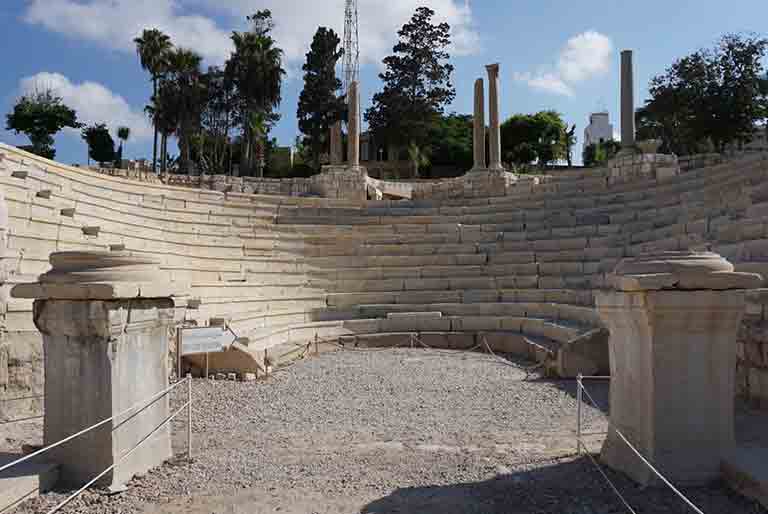
The Roman Amphitheater in Alexandria stands as a testament to Egypt’s rich history. It blends Roman architecture with Egyptian culture. Nestled in the heart of Alexandria, it attracts visitors from around the world.
A Glimpse into History
The amphitheater dates back to the 2nd century AD. It was a time when Egypt was under Roman rule. The Romans brought their architectural styles to Egypt. They built grand structures, and the amphitheater is one of them.
The Roman Influence
Roman architecture influenced many regions. In Alexandria, this influence is evident. The city became a hub for cultural exchange. The amphitheater served as a center for art and performance.
Architectural Marvel
The design of the amphitheater showcases Roman ingenuity. It features 13 tiers of marble seats. The semicircular shape enhances acoustics. Performers could be heard without amplification.
Materials Used
Marble was the primary material. It added grandeur to the structure. The marble was sourced locally. Skilled artisans crafted the seats and columns.
Acoustic Design
The Romans understood sound. The amphitheater’s design amplifies voices. This made performances engaging. Audiences could hear every word.
Discovery and Excavation
The amphitheater was hidden for centuries. In 1960, workers stumbled upon it. They were laying foundations for a building. The discovery was accidental but significant.
The Excavation Process
Archaeologists began excavations immediately. They unearthed the amphitheater piece by piece. Careful methods preserved the site. It took years to reveal the full structure.
Artifacts Found
Various artifacts were found. Mosaics adorned some areas. Pottery and tools were also discovered. These items provided insights into daily life.
Significance in Ancient Times
The amphitheater was more than entertainment. It was a social gathering place. People attended plays and lectures. It was central to community life.
Types of Performances
Performances ranged from plays to music. Philosophers gave public lectures. It was a place of learning and enjoyment.
Social Impact
The amphitheater brought people together. It fostered a sense of community. Events were accessible to many. It played a role in societal cohesion.
Preservation Efforts
Preserving the amphitheater is crucial. It faced threats from urban development. Authorities recognized its importance. Conservation efforts began in earnest.
Restoration Projects
Restoration aimed to stabilize structures. Experts used techniques to prevent decay. The marble was cleaned and repaired. These projects ensured longevity.
Protection Measures
The site is now protected by law. Tourism is regulated to prevent damage. Signs guide visitors on respectful conduct. This safeguards the amphitheater for future generations.
The Amphitheater Today
Today, it is a popular tourist destination. Visitors explore the ancient seats. Guided tours provide historical context. It remains a link to the past.
Educational Value
Schools bring students on field trips. They learn about Roman and Egyptian history. The amphitheater serves as an outdoor classroom.
Cultural Events
Occasionally, events are held here. Performances pay homage to ancient arts. These events revive the amphitheater’s original purpose.
Visiting the Site
Planning a visit is straightforward. The site is open most days. Tickets are available at the entrance.
Location and Accessibility
It is located in Kom El-Dikka area. The site is accessible by public transport. Maps and signs guide visitors.
Visitor Guidelines
Photography is allowed. However, touching artifacts is prohibited. Respectful behavior is expected at all times.
Conclusion
The Roman Amphitheater in Alexandria is a jewel of history. It reflects a blend of cultures. Visiting the site offers a glimpse into the past. It is a must-see for history enthusiasts.
The amphitheater stands not just as ruins but as a symbol. It reminds us of the rich tapestry of human history. Its preservation allows future generations to appreciate ancient ingenuity.



Leave a Reply